There’s something about flowers that quietly completes a space. They soften the atmosphere, add depth, and make a room feel more considered without drawing too much attention to themselves. The challenge with fresh flowers is that this feeling is temporary. Within days, the arrangement changes, fades, and eventually disappears.
Silk and faux flower arrangements offer a different kind of presence—one that stays consistent. Not in a way that feels artificial, but in a way that feels composed. When chosen well, they don’t stand out for the wrong reasons. They simply sit naturally within the space, holding their form and color without interruption.
Decorating with them starts less with the flowers themselves and more with the room they’re placed in. A minimal interior often calls for softer tones and restrained shapes, while more layered spaces can carry slightly fuller arrangements. The key is balance. The arrangement shouldn’t feel like an addition—it should feel like it was always part of the room.
Scale plays a bigger role than most people expect.
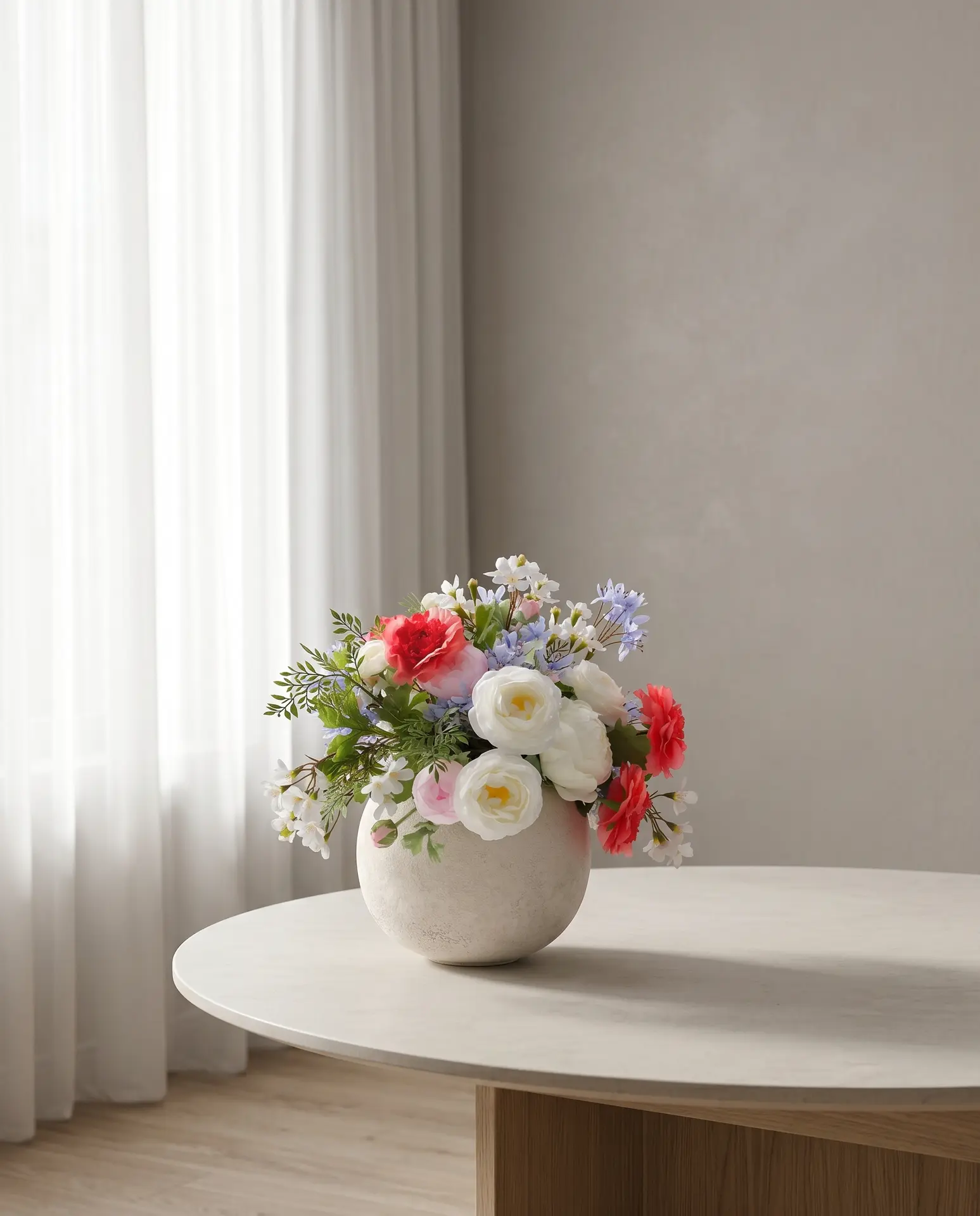
A small arrangement can quietly elevate a bedside table or a shelf, adding just enough detail without overwhelming the space.
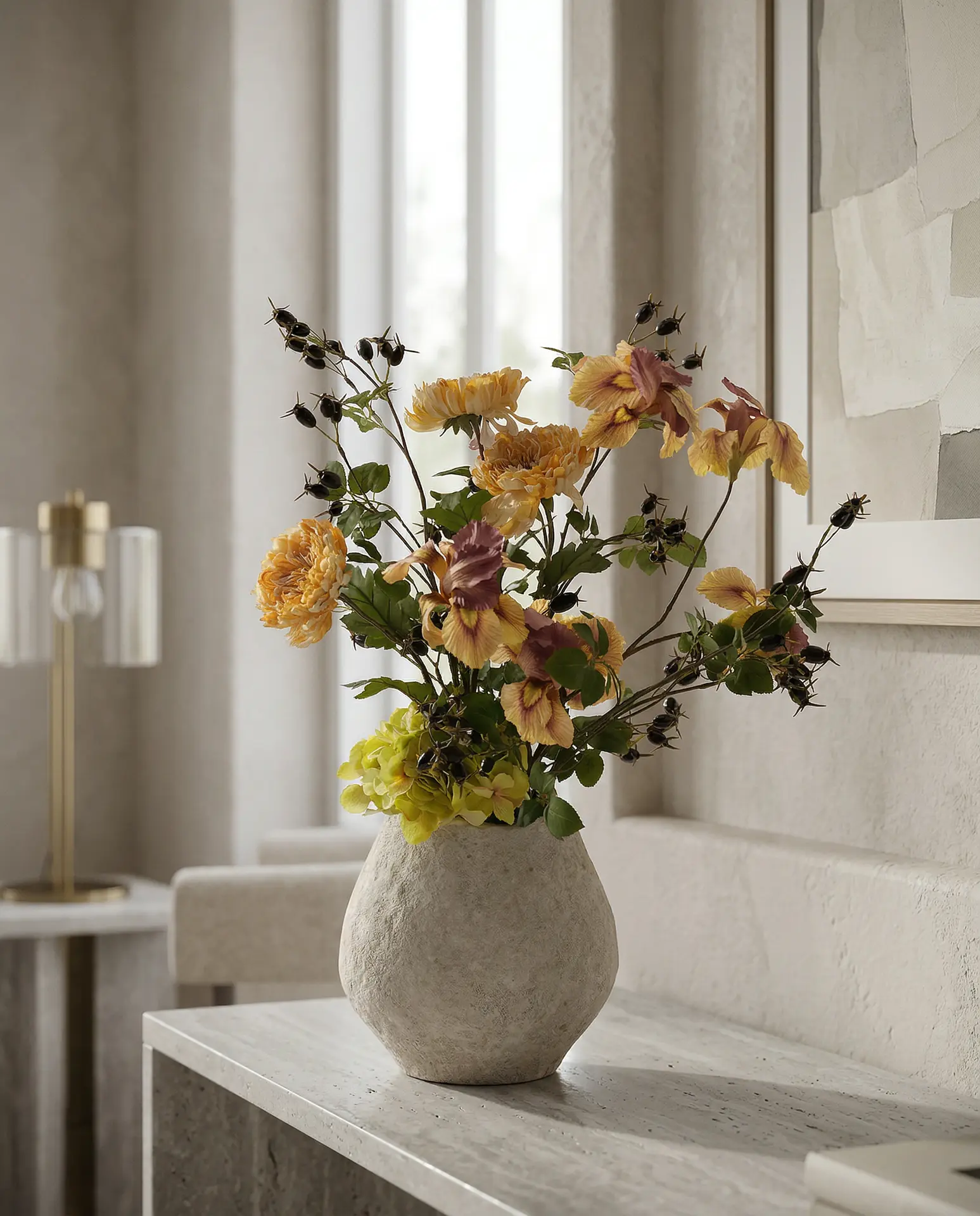
Medium arrangements tend to anchor everyday areas like coffee tables or desks, bringing a sense of structure.
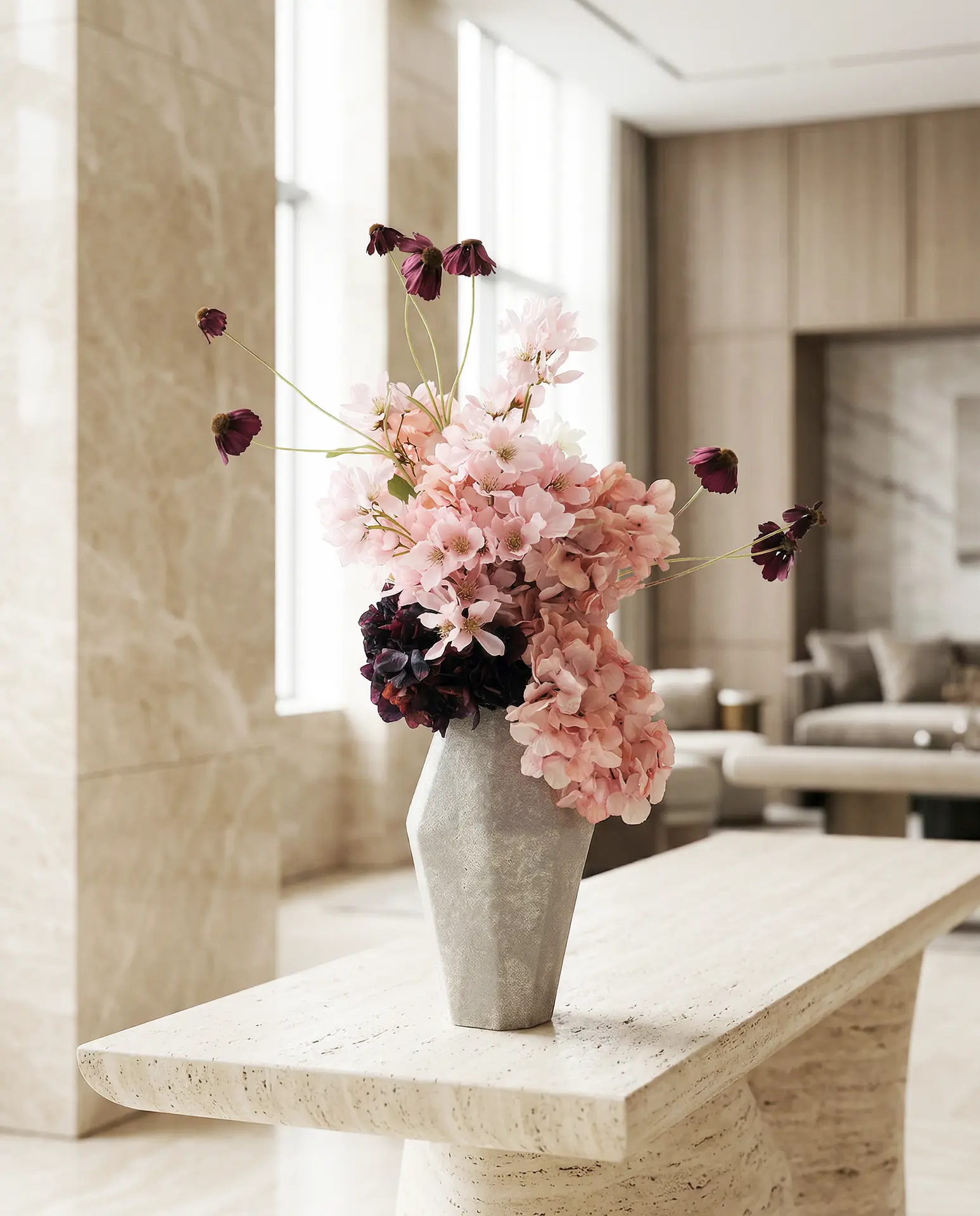
Larger pieces, on the other hand, are what define first impressions. Placed in an entrance, reception, or open living area, they give the space a sense of intention from the moment you walk in.
It’s rarely about having many pieces, but rather placing the right one where it matters.
While often associated with homes, silk arrangements have become just as relevant in commercial environments. Offices benefit from the warmth they bring without adding maintenance. Retail and hospitality spaces rely on consistency, where the environment needs to look finished at all times. Even in events or brand settings, they allow for more freedom—installations that extend across walls or ceilings, arrangements that hold their shape from start to finish.
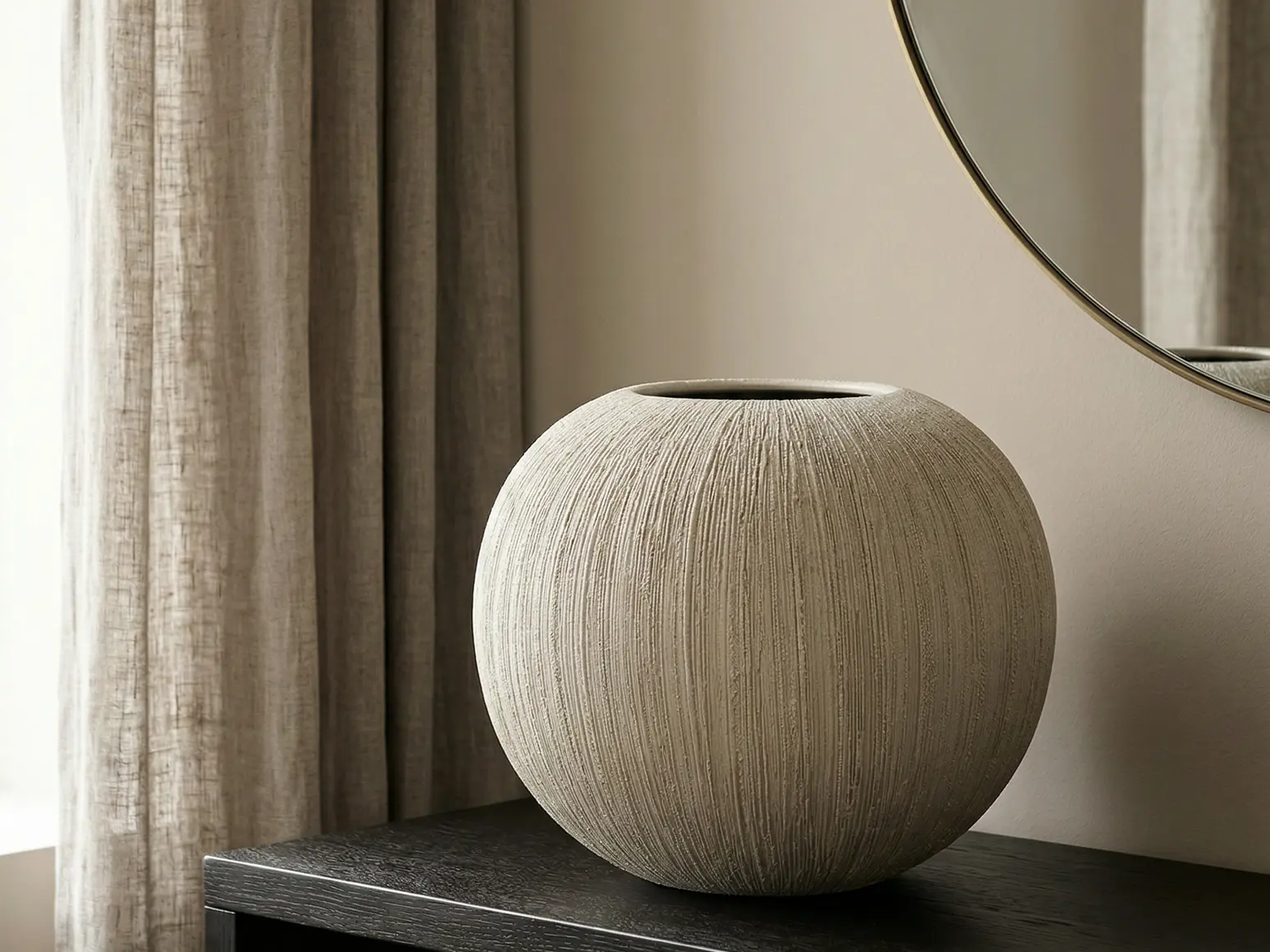
The vase is just as important as the arrangement itself. It defines how the piece is perceived. A simple ceramic or glass vase in a neutral tone often feels effortless, while more sculptural or handcrafted forms can add quiet depth. When done right, the arrangement and its vessel read as one complete object, rather than separate elements brought together.
What often makes the biggest difference, however, is restraint. An arrangement doesn’t need much around it. A clean surface, a book, or a single object is usually enough to support it. When there’s too much happening, the effect is lost. The most refined spaces tend to feel the least complicated.
Beyond the visual, there’s a practical reason more people are choosing silk and faux flowers. They don’t require water, light, or regular replacement. They remain exactly as they were styled, whether placed in a private home or a high-traffic space. Over time, that consistency becomes part of their appeal.
In the end, flowers should enhance a space without demanding attention. They should feel natural, settled, and quietly present. That’s the idea behind silk and faux arrangements when done properly—and the approach that defines Gunay.